
Moxietec is a vertically integrated, technology-driven company.
We develop the foaming technology that takes mass out of high-performance parts — and we take them from concept to a running production line, all under one roof.
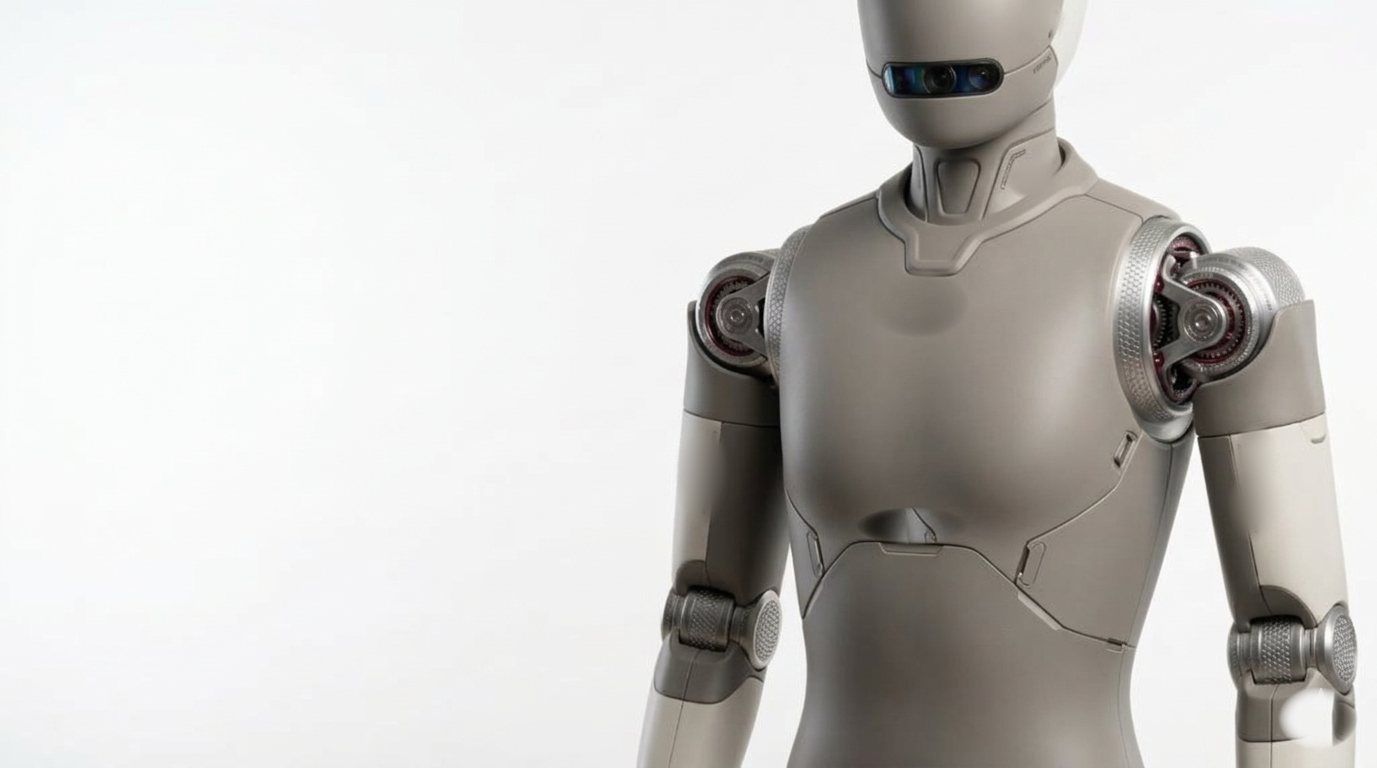
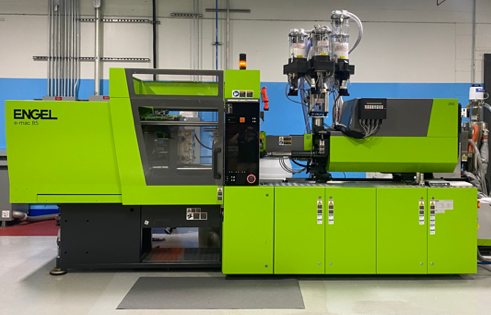
Right now we are developing a humanoid robot part to mold live at NPE2027 — our foaming technology, standard Covestro resin, an ENGEL machine. One seat is open — for the robot manufacturer.


Bring us a sketch on a napkin. We will take it to a production line.
A concept, a CAD file, or a part you already mold today — we pick it up wherever it is. Product design, formulation development, mold design and mold manufacturing all happen on one campus in Pennsylvania, USA. No hand-offs between vendors, and nothing subcontracted.
And if you want the line automated — machine, mold and robot cell together — we can build you that too.
See how that runs, concept to production →A track record in high-tech, value-added parts.
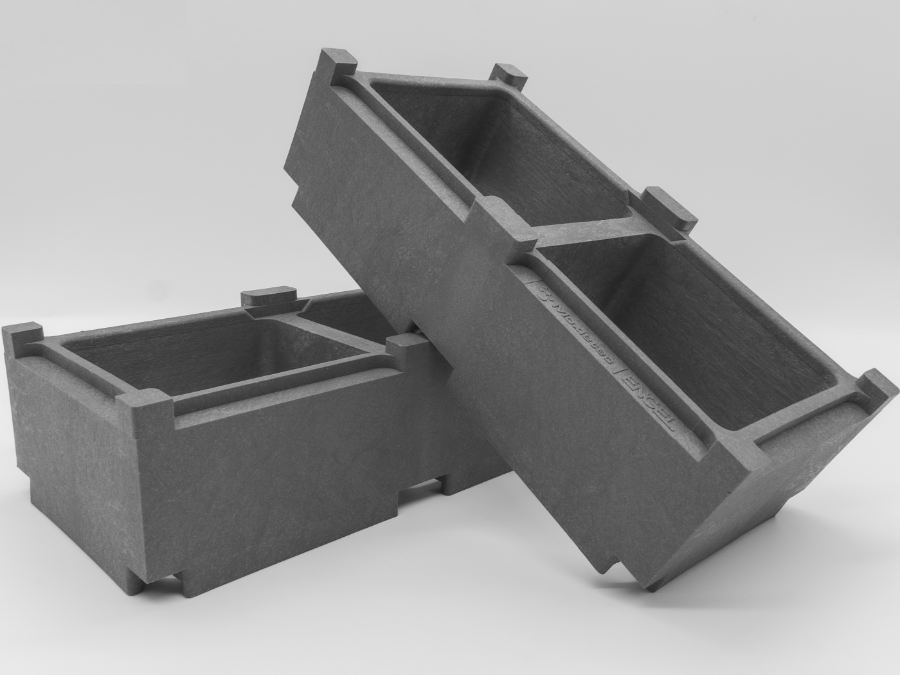
Thick-walled, stiffness-driven parts where the foamed core takes out material — and improves compression strength and dart-drop impact.
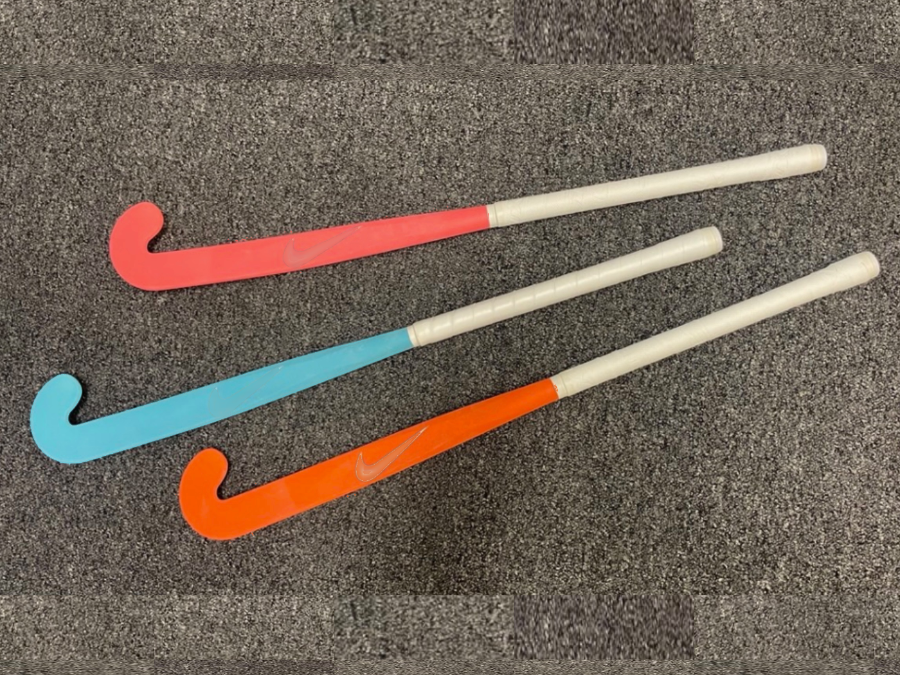
Energy absorption and a cosmetic surface delivered in a single molded part, replacing a multi-piece assembly. We help make the world's strongest contact sports equipment.
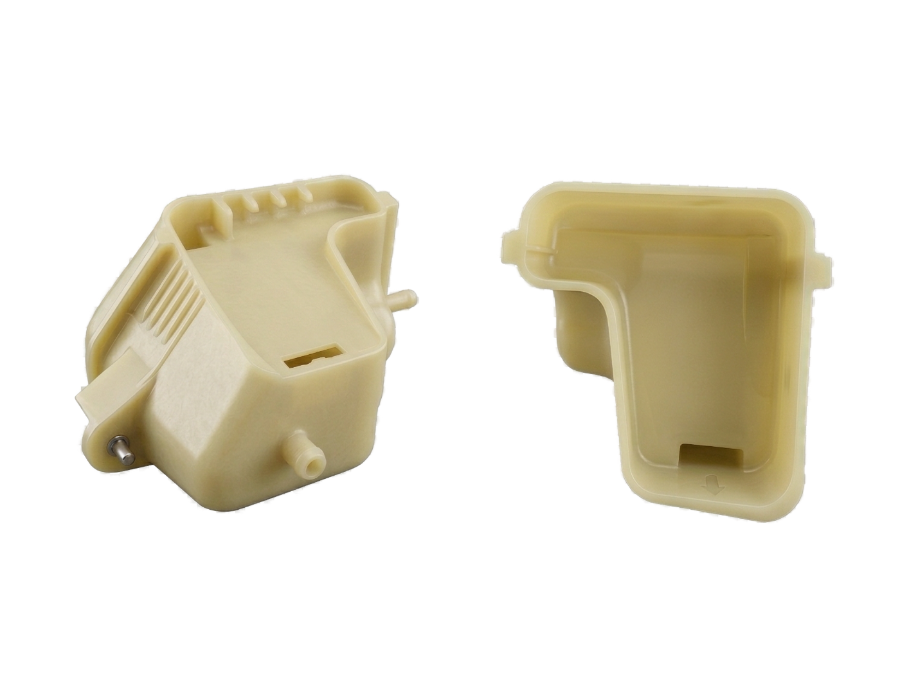
Weight removed from parts that move constantly, without giving up the stiffness the assembly depends on.
We have done this with ENGEL before. Twice.
In 2025 we ran joint demonstrations of foam injection molding on ENGEL equipment at two shows — K Show in Düsseldorf and PT Expo. Moxietec brought the technology; ENGEL brought the machine.
Both were very well received — and they are why the two of us are building something bigger for NPE2027.
Foaming, and why ours is different.
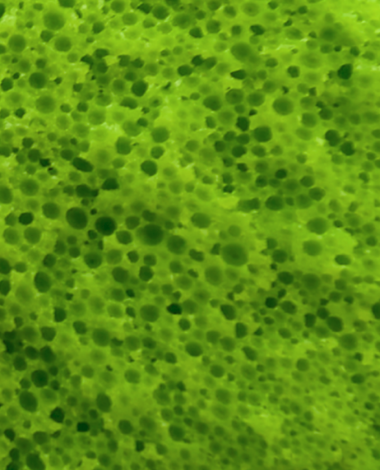
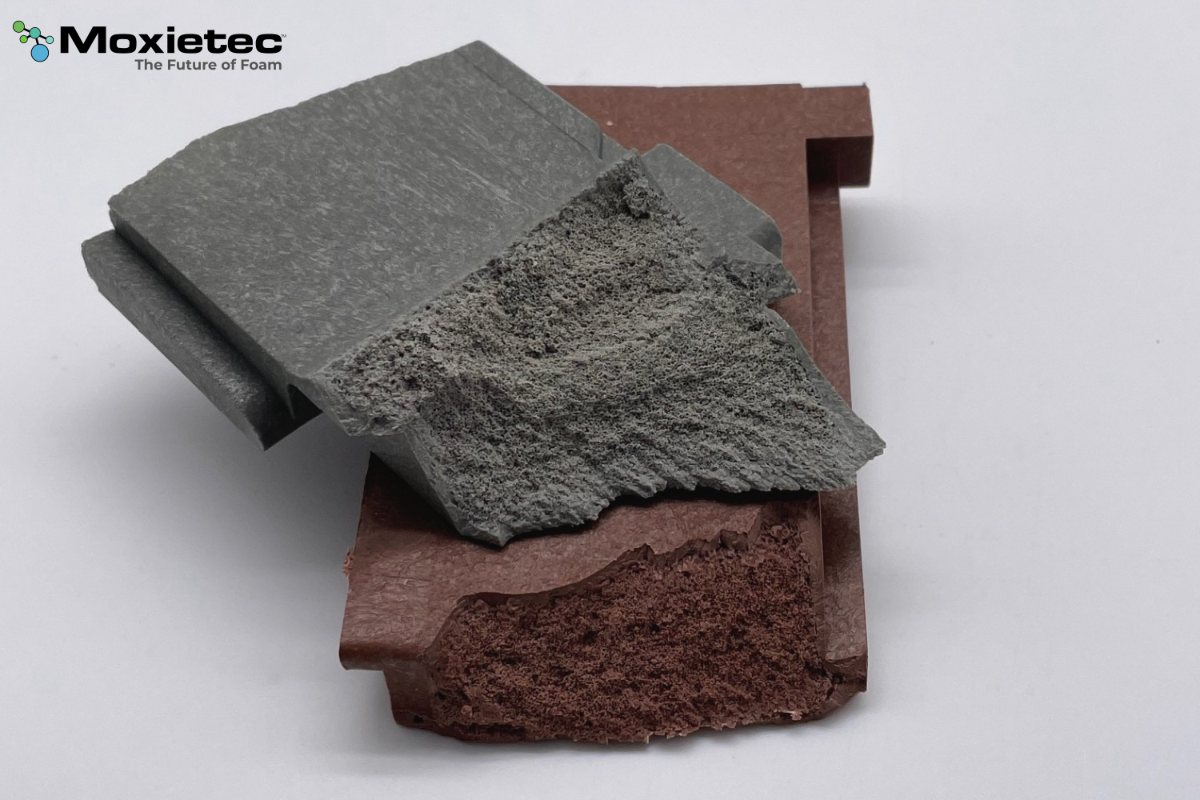
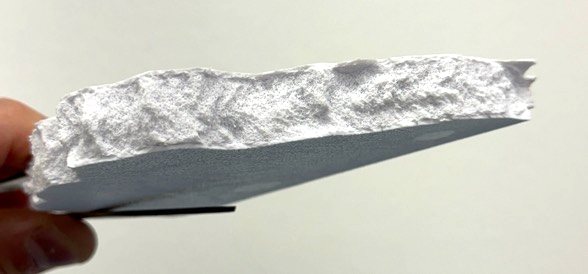
As the part is molded, a controlled cellular structure forms inside the wall. The skin stays solid and cosmetic. The core becomes a honeycomb of tiny closed cells.
You remove material from where it does the least work — so mass and material drop while stiffness stays where the part needs it.
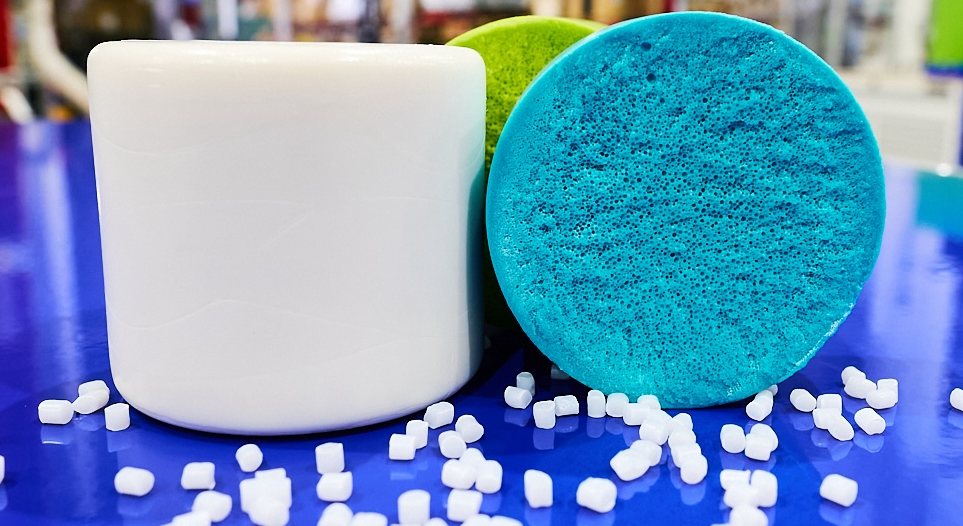
Conventional foaming gives you large, irregular, connected voids — which is why it has a reputation for weakening parts. Moxietec's formulations produce small, uniform, closed cells. Same idea, different physics, opposite result.
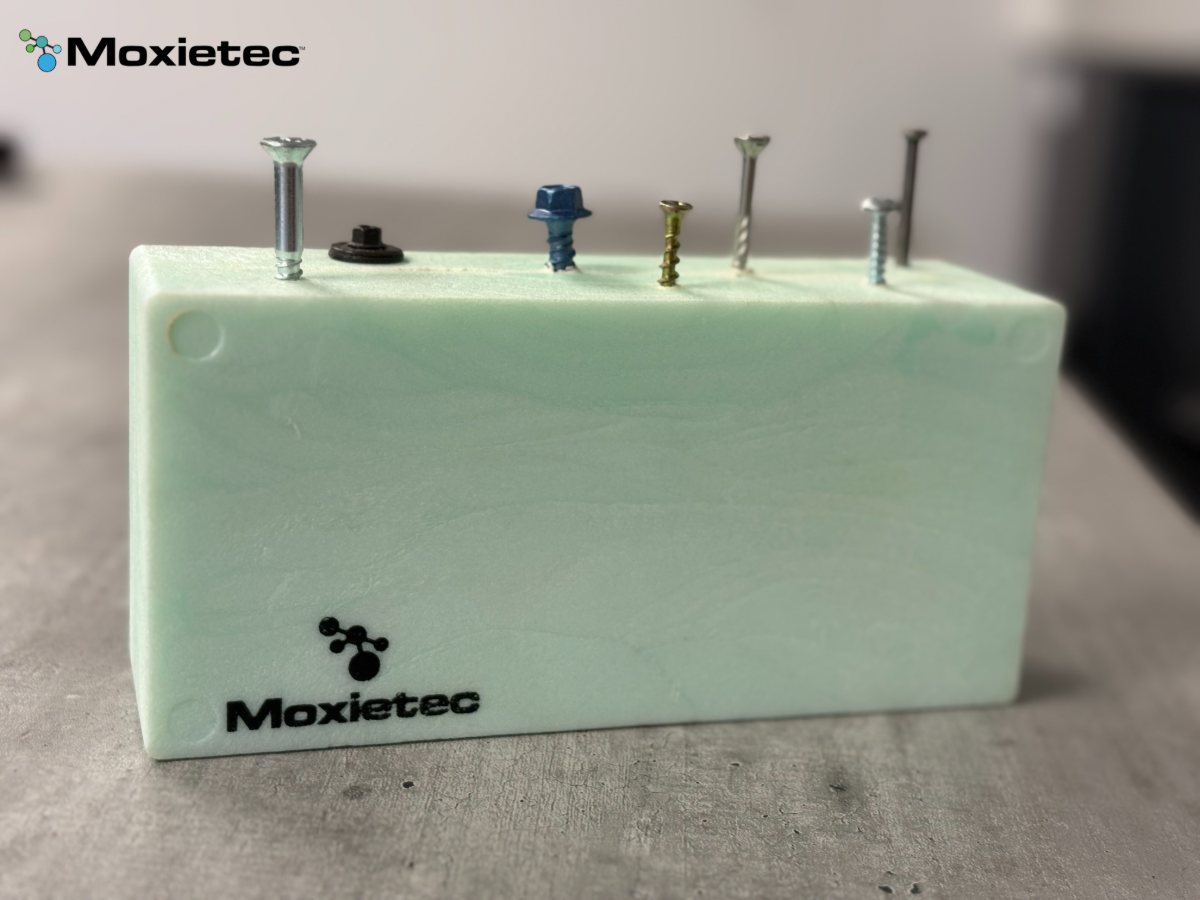
The first question an engineer asks about a foamed core is whether it will hold a screw. The answer surprises people: pull-out strength goes up, not down. The cell walls give the thread thousands of edges to grip, where solid material offers one smooth face. Tested across fastener types as part of process development.
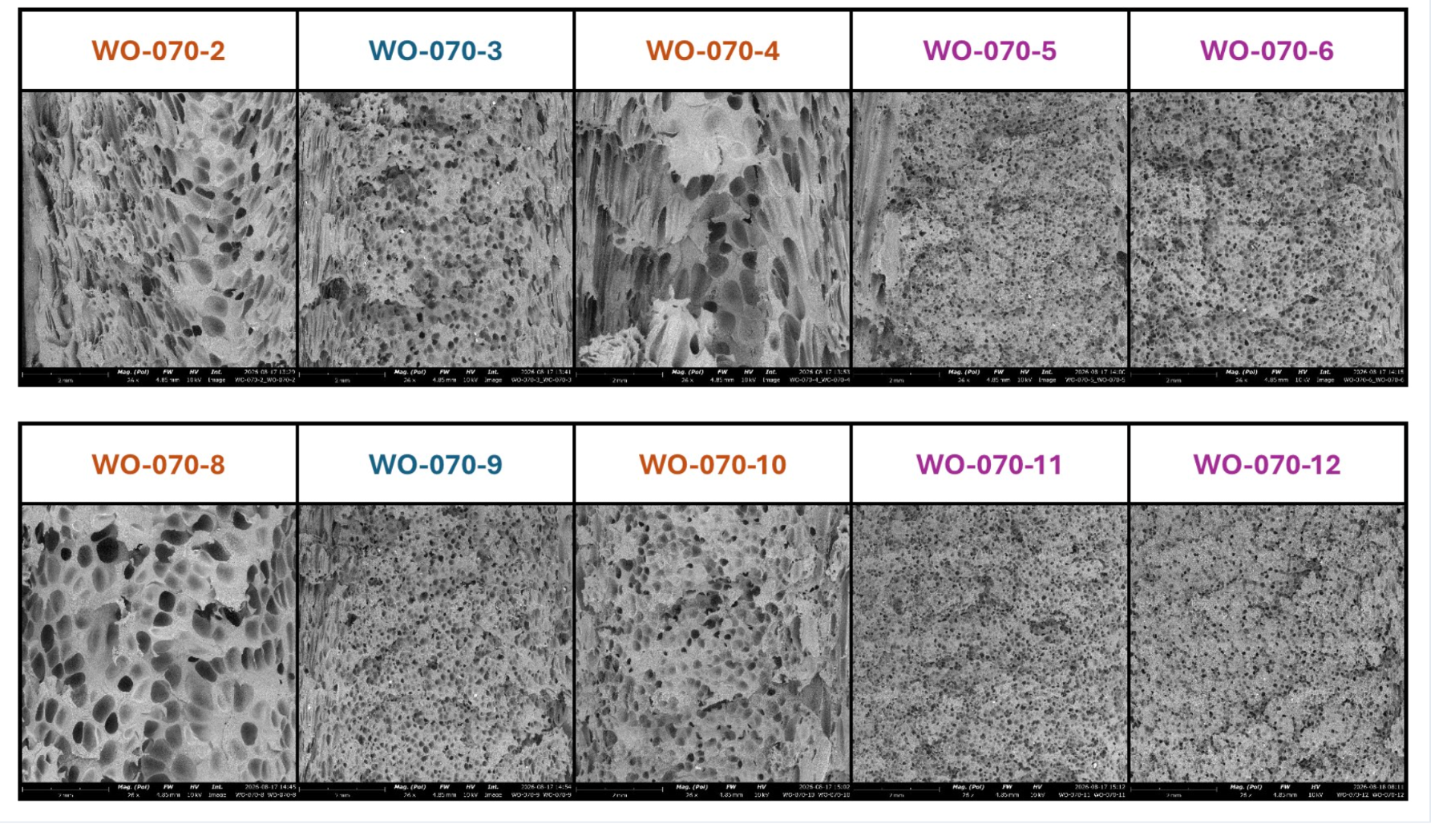
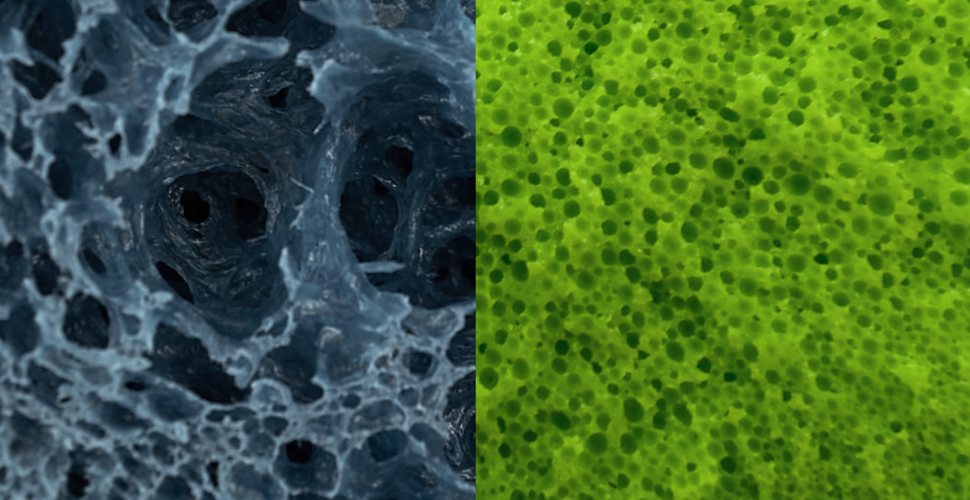
Early packages: large voids, thin walls between them, structure that varies across the section.
Tuned packages: small cells, consistent distribution — that fine, even cell wall is what carries load and impact energy at reduced density.
This is the work an evaluation does — your resin, your geometry, screened before anything trials at your plant.
The additive is where it starts. It is not where it ends.
Our PFA does the hard chemistry — nucleating a fine, even cell structure in resins that fight it. But no additive can tell you what temperature, pressure and injection speed your part needs. Those settings are intellectual property in their own right, developed part by part, and they are what turn a strong formulation into a part that performs.
It runs on standard injection molding equipment — no special press, and existing tooling can often be used as it is. When a new tool is being built, we design the mold for the process too, so nothing is left to chance.
See how that runs, concept to production →The tool is designed for the foaming process from the first sketch — gating, venting, cooling and surface decided together.
Not a product off a shelf. The PFA is formulated for your resin, your wall thickness and your target density — and it is one element inside the formulation, not the whole thing.
Two customers on the same resin get two different formulations — each tuned to raise part performance and lower molding cost. That is the difference between buying an additive and being given a technology.
Temperature, pressure, injection speed — established part by part, documented, and repeatable on production equipment.
Not only a technology — an in-house capability.
Formulation, product design, mold design, mold manufacturing and a fully equipped test lab all sit on one campus. One-stop shop, one accountable partner, no hand-offs between vendors.


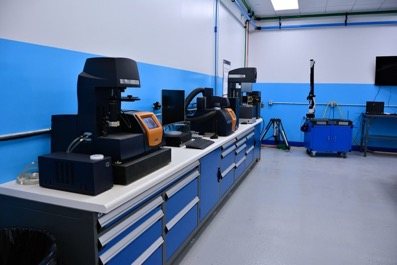
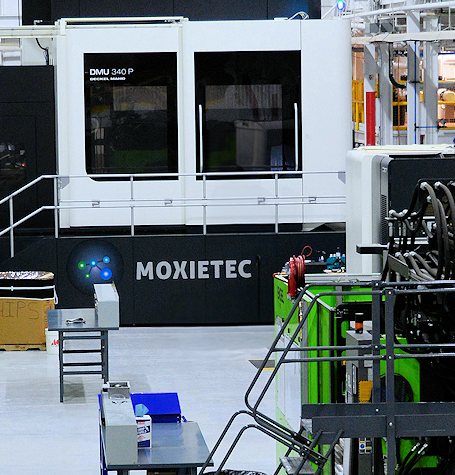
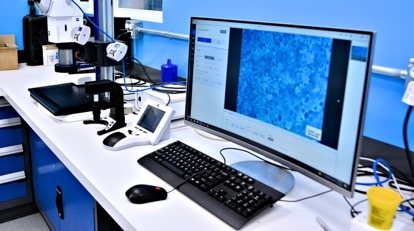
From a part concept to a running production line.
Most suppliers own one box in this diagram and hand you to someone else for the rest. We own all of them — and with ENGEL we can deliver the machine and the line too.
A part, a target weight, a target stiffness. Or just a problem.
Geometry engineered for a foamed wall from the first sketch.
Formulation developed and validated in our lab.
Tool designed and cut on our own floor. Not sent out.
Settings proven on the machine, then locked in.
A validated tool and a repeatable cycle — on your floor or ours.
This is what turnkey actually buys you:
A sketch, a CAD file, or a part you already mold today — we pick up from there.
Formulation, design, tooling and process all sit with one accountable team — so when something needs to change, it changes.
We do not only develop the part. We can sell you the line that makes it.
Machine, mold, foaming formulation, process settings and the robot cell around it — specified, built, installed and validated as one package, with ENGEL. Others assemble a line from equipment they buy in; the lightweighting technology inside ours is our own. You get a line already making good parts, not a pile of equipment and four suppliers to coordinate.
Four seats. Three are taken.
At NPE2027 we will develop and mold a part for humanoid robots — one of the hot topics for the future of manufacturing.
We are looking for one partner to join us.
So why should you? →What you get, and what we ask.
The machine, the material and the process development are carried by the three of us. Your participation is in the tool.
Technical collaboration with Moxietec foaming, on your own part geometry.
Your part developed with our technology team, on an ENGEL machine, in standard resin.
Five days of exposure in front of the traffic of the show.
A first-of-its-kind humanoid part, developed with three named partners.
Learn where foaming fits, then take it to your other parts.
The largest plastics show in the Americas — once every three years.
May 3–7, 2027, at the Orange County Convention Center in Orlando, Florida. This is a fantastic opportunity for you.
Bring us the part you most want to make lighter.
Send us the part. We will assess it against our foaming technology and come back with whether it is a fit, and what the weight and cycle-time reduction would be. If it is, we can take it from there — to trial, to tool, to production.